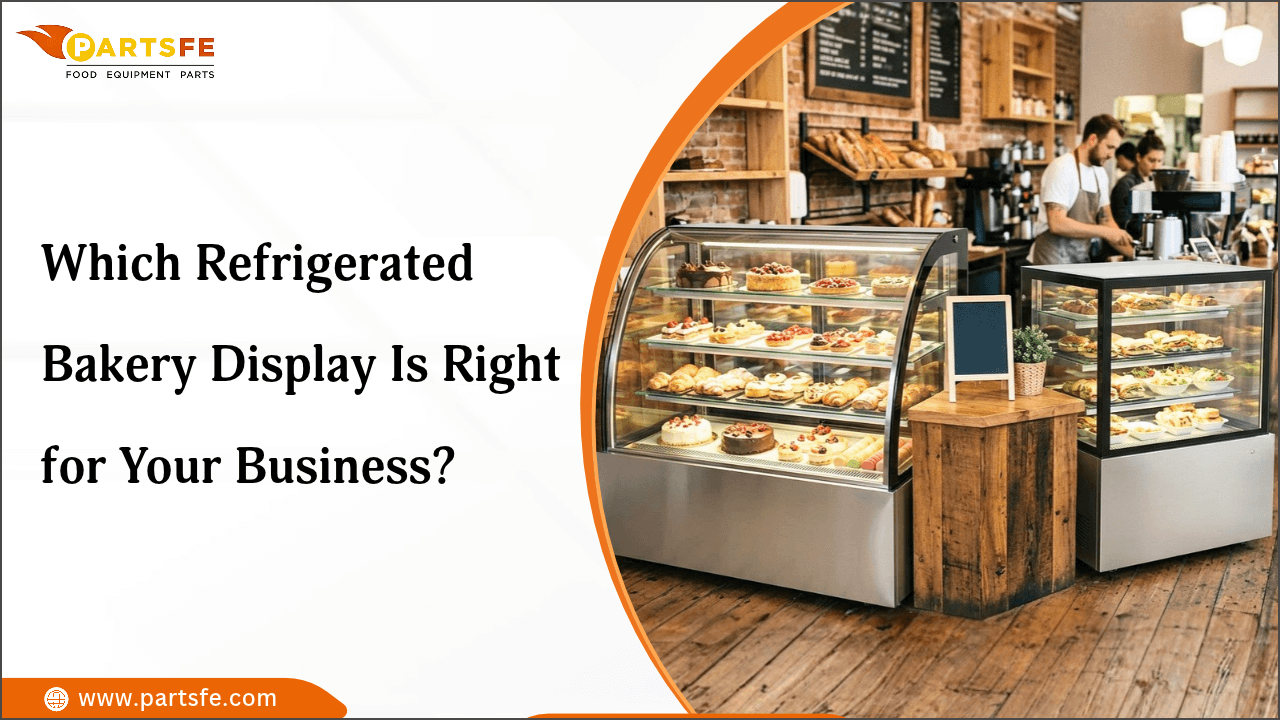
Which Refrigerated Bakery Display Is Right for Your Business?
A refrigerated bakery display helps bakeries, cafés, patisseries, and restaurants keep perishable baked goods chilled while presenting them clearly to customers. The right display depends on the products you sell, the quantity you stock, and the space available in your shop. Cakes, cheesecakes, cream-filled pastries, and mousse desserts require appropriate temperature control, while bread and other products that do not require refrigeration may be better suited to ambient displays.
Choosing the right unit involves more than appearance. You need to compare refrigerated bakery display types, cooling performance, storage capacity, shelf arrangement, glass visibility, and energy efficiency to find a model that suits your daily operations.
This guide explains the key differences between available displays, the features to evaluate before purchasing, and how to choose a commercial refrigerated bakery display for maintaining product quality, customer visibility, and efficient use of counter space.
Table of Contents
Why Choosing the Right Refrigerated Display Case Is Essential
Types of Refrigerated Bakery Displays
How to Choose the Right Refrigerated Bakery Display for Your Business
Which Refrigerated Bakery Display Is Suitable for Different Businesses?
Why Choosing the Right Refrigerated Display Case Is Essential
Choosing the right refrigerated display case helps bakeries, cafés, and pastry shops maintain suitable storage temperatures for perishable products while making them visible to customers. The wrong unit can lead to uneven cooling, limited display space, unnecessary energy consumption, or difficulty accessing products during busy service hours.
The main benefits of selecting the right display case include:
- Maintains product quality: Consistent refrigeration helps preserve the texture, appearance, and freshness of cakes, cheesecakes, cream-filled pastries, and other temperature-sensitive desserts.
- Supports food safety: A suitable temperature range helps keep perishable bakery products within the recommended storage conditions.
- Improves product visibility: Clear glass panels, effective lighting, and well-arranged shelves make it easier for customers to view available products.
- Maximises display space: Choosing the right capacity allows you to organise products without overcrowding shelves or wasting valuable counter space.
- Controls operating costs: An appropriately sized, energy-efficient unit can help reduce unnecessary electricity consumption.
- Streamlines daily operations: Accessible shelves, convenient doors, and easy-to-clean surfaces simplify restocking, serving, and routine maintenance.
Looking for a refrigerated bakery display that keeps your desserts chilled while making them attractive to customers? PartsFe offers commercial refrigeration equipment from VITLIFE, including refrigerated bakery display cases designed for bakeries, cafés, and pastry shops. Selected models feature double-tempered glass, LED lighting, and temperature controls to support product visibility and chilled storage. VITLIFE equipment comes with a 3-year parts and labour warranty and a 5-year compressor warranty. Browse the available options at PartsFe to compare display dimensions, storage capacity, and features before choosing the right unit for your business.
Types of Refrigerated Bakery Displays
Refrigerated bakery displays come in different designs to suit the way you sell cakes, pastries, cheesecakes, and other chilled desserts. When choosing a display, consider where you plan to install it, how much counter space you have, and whether you need a compact unit or a larger display with multiple shelves.
Glass-Door Refrigerated Bakery Displays
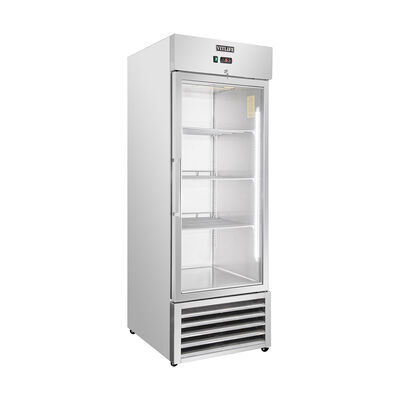
Glass-front displays keep chilled products enclosed and visible, making them suitable for whole cakes, cheesecakes, mousse desserts and cream-filled pastries.
When choosing this type, check the shelf height, internal depth and temperature range. For example, if you sell tall celebration cakes, fixed shelves with limited clearance may prevent you from displaying them properly. Adjustable shelves can help accommodate products of different heights.
Best for: Cake shops, patisseries and bakeries where staff serve customers from behind the counter.
Open-Air Refrigerated Bakery Displays
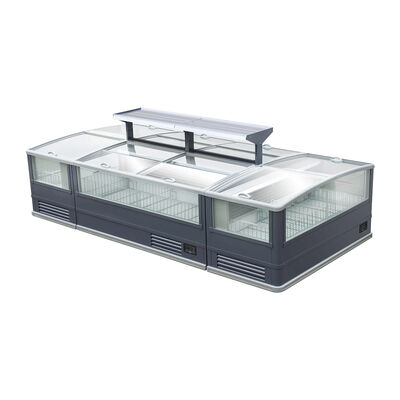
Open-air displays allow customers to select products without opening a door. They are useful for packaged desserts, chilled sandwiches and other ready-to-eat products suitable for the cabinet's refrigeration system.
Unlike enclosed displays, these units rely on controlled airflow across the open front. Incorrect product placement or blocked air outlets can affect cooling performance.
Best for: Convenience stores, supermarkets and cafés offering suitable grab-and-go products.
Before buying: Confirm that the model is designed for your products and can maintain their required storage conditions. Do not assume every open-air unit is suitable for delicate cream cakes.
Countertop and Compact Refrigerated Displays
Countertop displays suit businesses that need to keep a small selection of chilled desserts near the serving area without installing a large floor-standing cabinet. They are commonly considered for cake slices, individual pastries and small desserts.
The main limitation is usable space. A compact cabinet may accommodate several small desserts but lack the shelf height or depth needed for whole cakes.
Best for: Small cafés, coffee shops and dessert counters with limited floor space.
Before buying: Compare the cabinet's internal shelf dimensions with your serving plates and products. Also check ventilation requirements to ensure the unit can operate safely in its intended position.
How to Choose the Right Refrigerated Bakery Display for Your Business?
Choosing the right refrigerated bakery display depends on your shop layout, the desserts you sell, your storage requirements, and your budget. Compare the following factors before purchasing a unit for your bakery, café, or pastry shop.
1. Choose the Right Display Size
Commercial refrigerated bakery displays are available in different widths and capacities. The following dimensions are illustrative examples to help you plan your space, not standard capacity categories.
| Approximate width | Suitable application | What to check |
|---|---|---|
| 900 mm (35.4 inches) | Small café displaying a limited selection of desserts | Shelf area and product height |
| 1,200 mm (47.2 inches) | Bakery selling several cake and pastry varieties | Shelf depth and spacing |
| 1,500 mm (59.1 inches) | Patisserie with a wider dessert selection | Space for different product sizes |
| 1,800 mm (70.9 inches) | High-volume bakery with a larger assortment | Installation footprint and service clearance |
These are example dimensions, not guarantees of storage capacity. Two cabinets with the same width can have different internal layouts and usable space.
How to choose: If you sell individual cake slices, compare compact displays with enough shelf area for your serving plates. If you sell whole cakes, check the vertical clearance between shelves. For a larger assortment, consider whether the additional display space justifies the cabinet's footprint.
2. Check the Cabinet's Usable Capacity
A display's advertised capacity in litres does not tell you how many cakes or pastries it can hold. Internal shelf dimensions and product height determine how effectively you can use the available space.
Before purchasing, check:
- Shelf height: Will your tallest cake fit without touching the shelf above?
- Shelf depth: Can your trays and serving plates sit comfortably inside the cabinet?
- Shelf arrangement: Can you adjust the shelves to accommodate different products?
- Display area: Is there enough room to separate product varieties without overcrowding the cabinet?
For example, a bakery selling tall celebration cakes needs different shelf clearance from a café displaying individual pastries. Choose a cabinet around your actual products rather than relying on total capacity alone.
3. Verify the Required Temperature Range
The correct operating temperature depends on the products being stored and applicable food-safety requirements.
Some commercial refrigerated bakery displays specify a temperature range of 2°C to 8°C (35.6°F to 46.4°F). This is an example of a model specification, not a universal requirement for every chilled dessert.
Before buying, compare the manufacturer's specified range with your products' storage requirements. Also check the temperature-control system, monitoring features and recommended operating conditions.
4. Compare Energy Consumption
A refrigerated display operating throughout the trading day contributes to electricity costs. Compare manufacturer-provided energy-consumption data where available rather than relying on the wattage rating alone.
Check the refrigeration system, insulation, door seals and lighting specifications. Actual electricity use varies with cabinet design, room temperature, product loading and frequency of access.
When comparing two models, use energy-consumption figures measured under comparable conditions. A larger cabinet is not necessarily more efficient, and LED lighting alone does not establish lower overall energy consumption.
5. Select Features That Suit Your Daily Operations
Prioritise features that solve practical problems in your bakery.
| Feature | Why it matters |
|---|---|
| Adjustable shelves | Accommodate cakes and pastries of different heights |
| Interior LED lighting | Makes products easier to see |
| Temperature display | Helps staff monitor cabinet conditions |
| Removable shelves | Simplify cleaning |
| Condensation-control features | Help maintain glass visibility under suitable operating conditions |
| Accessible refrigeration components | Make inspection and servicing easier |
For businesses that change their product range frequently, adjustable shelves can be especially useful. If the cabinet operates for long hours, easy access to serviceable components can also reduce the difficulty of routine maintenance.
Buying tip: Before placing an order, compare the cabinet's external dimensions, internal shelf measurements, temperature range and installation requirements against your actual products and shop layout. These checks are more useful than choosing a display based on appearance alone.
Explore How to Choose the Right VITLIFE Commercial Refrigerator for Your Restaurant to compare essential features, storage capacity, and cooling requirements for your commercial kitchen.
Which Refrigerated Bakery Display Is Suitable for Different Businesses?
The best display depends on the products you sell, how customers access them, and how much space you can dedicate to refrigeration. Use these recommendations to narrow down the options before comparing individual models.
| Business type | Recommended display | Why it suits the business |
|---|---|---|
| Small cafés and coffee shops | Countertop refrigerated display | Keeps cake slices, pastries and individual desserts near the serving counter without requiring a large floor-standing unit. |
| Cake shops | Glass-front refrigerated display | Keeps whole cakes visible and enclosed. Check shelf height to accommodate celebration cakes of different sizes. |
| Patisseries | Multi-shelf glass-front display | Provides separate levels for cheesecakes, mousse desserts and cream-filled pastries. |
| Convenience stores | Open-air refrigerated display, where suitable | Allows quick selection of packaged desserts and other compatible chilled products. |
| Supermarkets | Glass-front or open-air display | The choice depends on whether products are staff-served or self-service and whether the cabinet suits the product range. |
| Restaurants with dessert counters | Compact glass-front display | Keeps a smaller dessert menu visible near the service area while limiting the space used by refrigeration equipment. |
| High-volume bakeries | Large glass-front or modular display | Provides a wider presentation area for a larger product range, provided the installation space and refrigeration requirements are suitable. |
How to Make the Final Choice
Before selecting a display, answer three questions:
- What are you selling? Whole cakes need adequate shelf height, while individual pastries may need more usable shelf area.
- How will customers access the products? Choose an enclosed display for staff-served products or an open-air unit only when its design is suitable for the products and service arrangement.
- Where will the cabinet be installed? Check its full dimensions, ventilation clearances and access for cleaning and servicing.
For example, a café selling six varieties of cake slices may benefit from a compact countertop unit, while a cake shop displaying whole celebration cakes should prioritise shelf clearance and cabinet depth over a small footprint.
The key is to select the display around your actual products and service requirements, rather than choosing a cabinet simply because it is larger or has more features.
Summary: Find the Refrigerated Bakery Display That Fits Your Business
The right refrigerated bakery display is the one that matches your products, display needs, available space, customer access, and daily workflow. Choosing the appropriate configuration can help keep refrigerated products protected while making them easy for customers to see and access.
- Product Type: Choose a display that provides suitable refrigeration for the bakery products you plan to showcase.
- Display Type: Select a glass-door, open-air, or countertop display based on how products are presented and accessed.
- Capacity: Choose enough display space for your regular product range without using unnecessary floor or counter space.
- Temperature: Verify the model's specified operating range and refrigeration system for your products.
- Space: Measure the installation area, access clearance, and required ventilation before purchasing.
- Business Needs: Consider customer access, product visibility, restocking, and daily workflow when making the final choice.
The right refrigerated bakery display should balance product protection, presentation, capacity, space, and everyday usability while fitting the way your business operates.
FAQs
What is the difference between an open-air and glass-door bakery display?
Open-air displays allow access without doors, supporting self-service. Glass-door models enclose products, reducing direct exposure. Choose based on product suitability, customer access and the cabinet’s refrigeration design.
Are countertop refrigerated bakery displays suitable for cafés?
Yes. Countertop displays suit cafés with limited space and smaller menus. Models around 900 mm (35.4 inches) wide may suit some counters; verify internal capacity before purchasing.
How do I determine the right display capacity?
Choose capacity based on daily sales and product size. Compact displays may hold 3–6 trays, while larger models accommodate 8–12 or more, depending on shelf dimensions and layout.
What temperature should a refrigerated bakery display maintain?
Some refrigerated displays operate between 2°C and 8°C (35.6°F–46.4°F). Always follow the product’s storage requirements, manufacturer specifications, and applicable food-safety regulations.